
TECHNICAL ARTICLE
Corrosion is the deterioration of a material through chemical or electrochemical reactions with its environment. The term is used particularly for metals. In structures and technical installations, corrosion can affect load capacity, containment, function and maintenance needs.
Why does it occur?
Many metal surfaces react with their surroundings. Water and oxygen play an important role in ordinary rusting of steel. Salts and other substances in moisture can affect these reactions. Different metals and forms of corrosion do not behave in the same way.
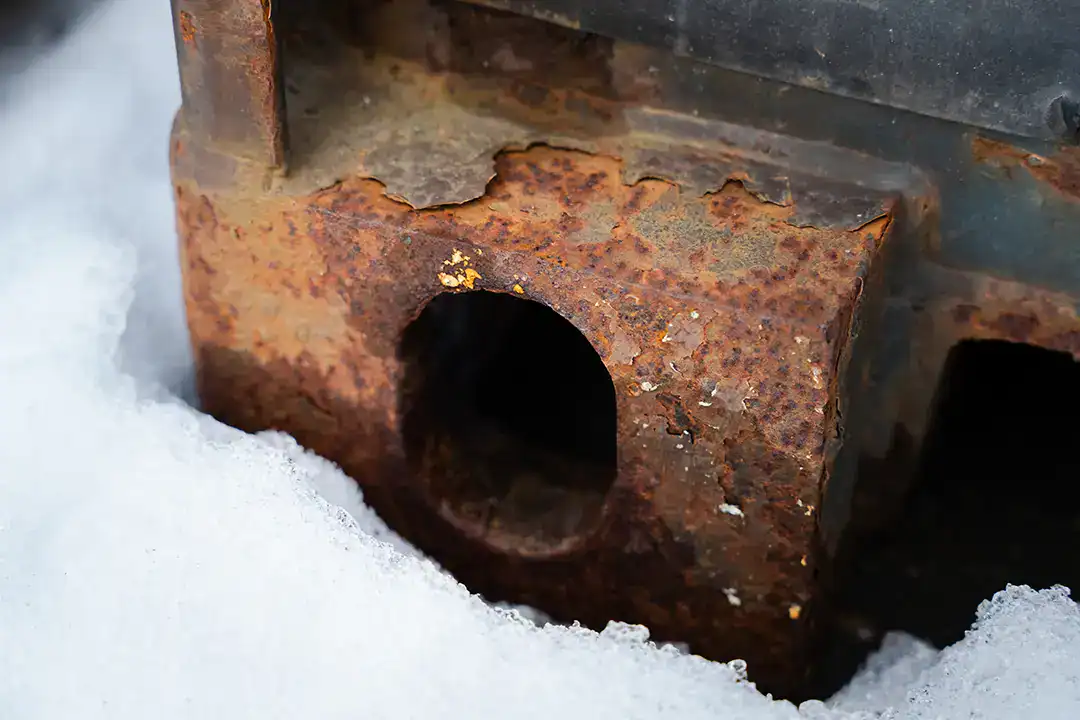
Attack may be widespread or localised, for example in pits or crevices. A small visible defect can therefore warrant closer assessment; surface appearance alone does not always reveal the extent of material loss.
Which environments are challenging?
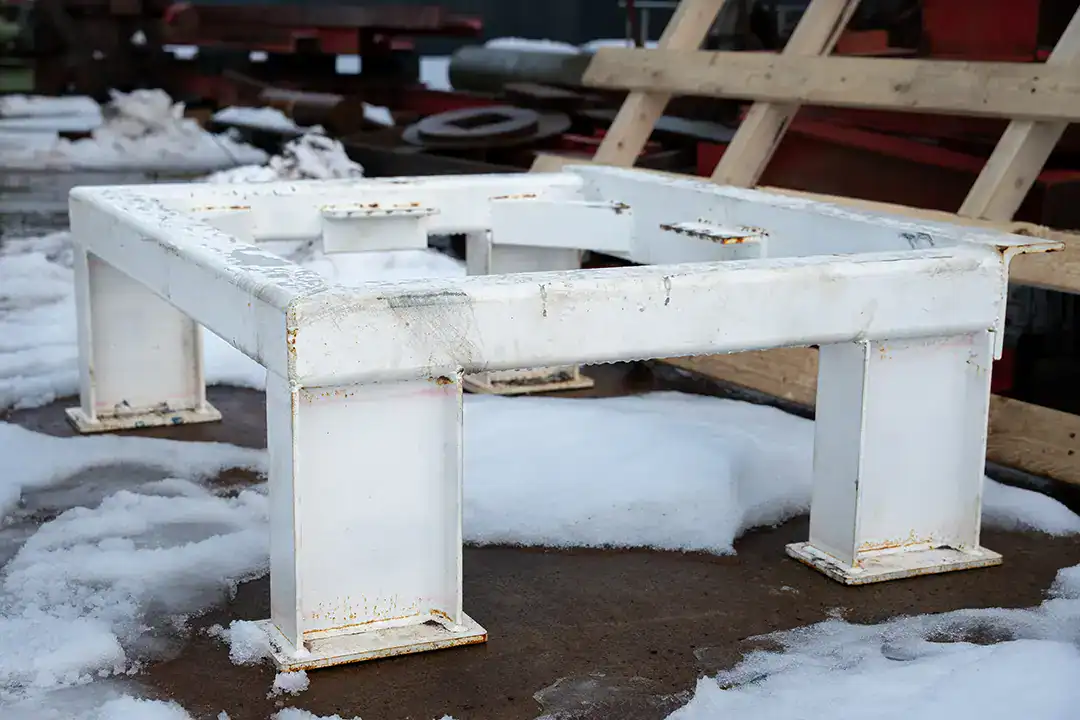
Sea spray, persistent moisture, chlorides and process chemicals can create challenges. Temperature, oxygen availability, concentration and time of wetness influence the conditions. Environments cannot be ranked universally from least to most corrosive without considering the material and exposure.
Galvanic corrosion
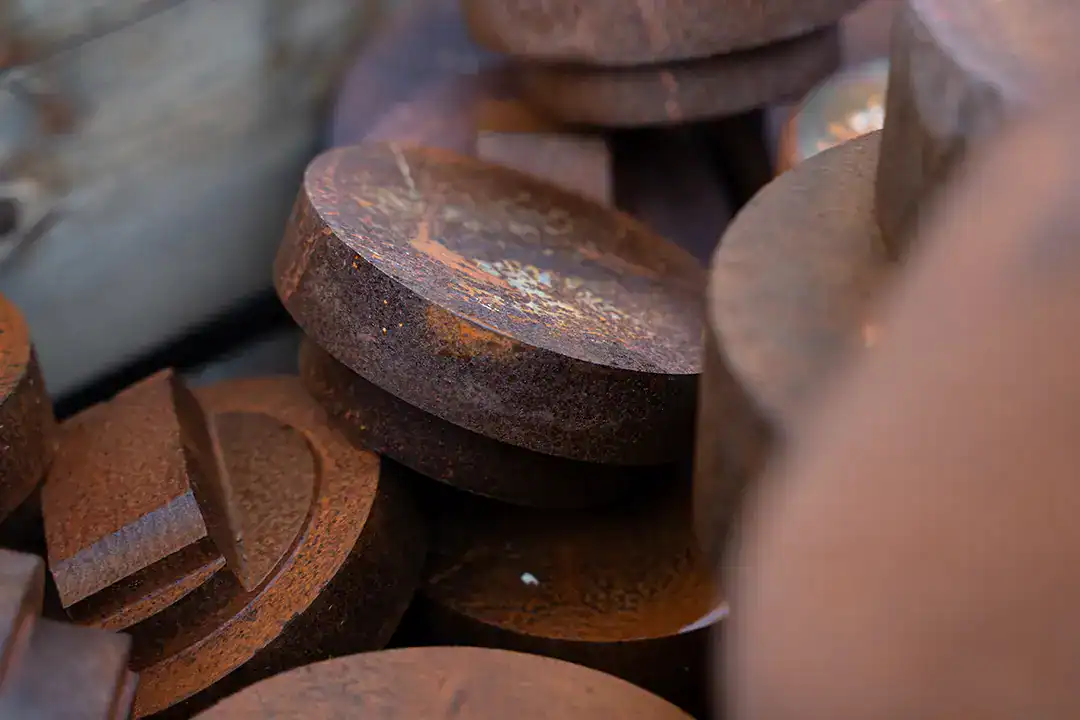
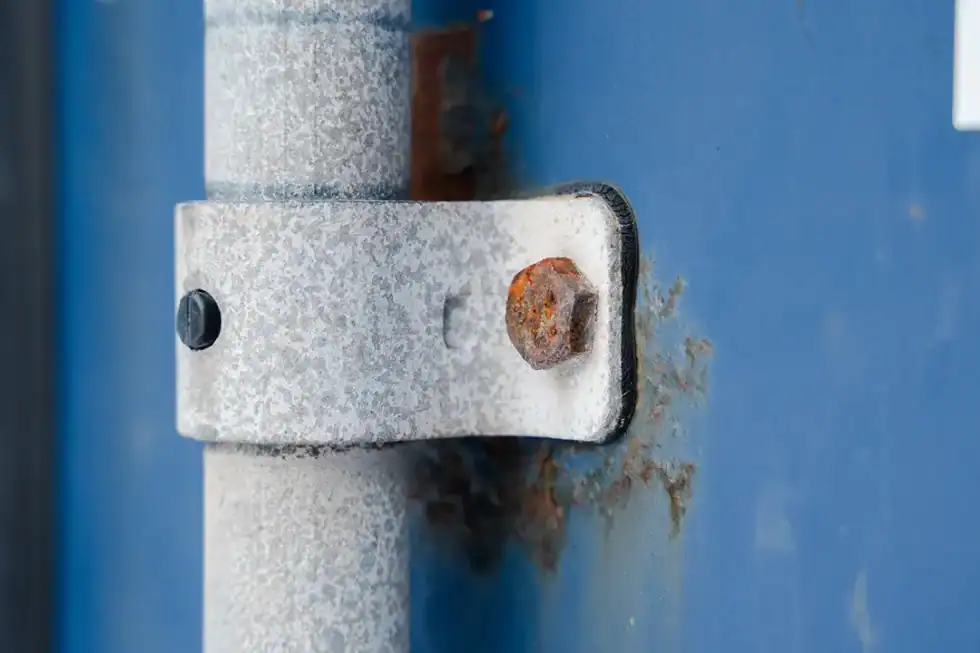
When dissimilar metals are electrically connected and share an electrolyte, a galvanic cell can develop. The less noble metal may then corrode faster. The metal combination, exposed area ratio and environment all matter.
Material selection and electrical isolation between components may help. Isolation must address the complete connection, including bolts and other contact points. The arrangement needs to be assessed for the specific structure.
Prevention starts with design
- Select materials and any protective system for the operating environment.
- Avoid unnecessary crevices and water traps.
- Provide drainage and inspection access.
- Assess connections between different materials.
- Inspect coatings, fixings and exposed details during service.
When can GRP be relevant?
GRP does not rust like steel and may be useful where corrosion-related maintenance is a concern. This does not mean it withstands every environment. The resin system, temperature, chemicals, loads and long-term exposure need to be checked.
Applications include construction systems and piping systems. Metallic connections and the remaining installation still require separate assessment.
Start with the operating conditions
Describe the environment, temperature, chemicals and mechanical loads when comparing materials. This helps identify documented properties that address the project's actual requirements.