
TECHNICAL ARTICLE
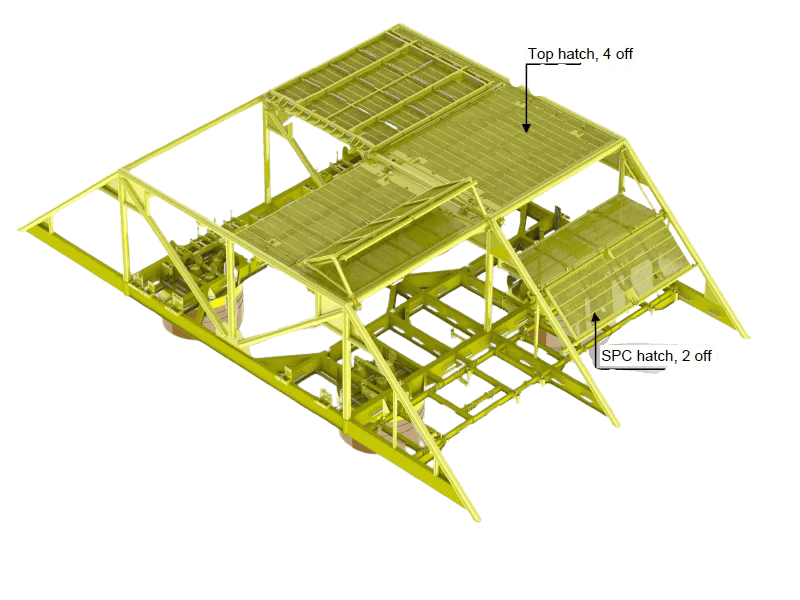
GRP grating can form part of a protective structure for underwater equipment. Selection must be based on the project's load cases, exposure and documentation requirements. A description such as “High Load” is not, by itself, approval for subsea use.
What needs protection?
A subsea structure may need to shield equipment while allowing water to pass through its openings. The grating, frame and fixings need to be assessed together. Clear openings, inspection access and replacement arrangements also matter.
Impact loads differ from static loads
A walking-surface load table does not necessarily describe the response to a dropped object. Impact energy, object shape and size, strike position, supports and fixings affect performance. Test results must relate to the correct product and test configuration before they are applied to a project.
Request the relevant test report and agree acceptance criteria with the responsible designer. Do not transfer a capacity from one panel or arrangement to another without assessment.
Product entry point: article 15054
Article 15054 is a heavy-duty GRP grating that can be considered when establishing project requirements. Its product page is the reference for dimensions, colour, material composition and other product data. Suitability for the particular subsea structure requires separate documentation.
View article 15054 – heavy-duty GRP grating →
Exposure, frame and connections
GRP does not rust like steel, but long-term immersion, temperature and any chemical exposure must be considered. Metallic frames and fasteners still need corrosion assessment and, where relevant, cathodic protection. Using GRP does not by itself establish that fewer anodes are needed for the complete installation.
Establish the basis before selection
- Protective function and defined static and dynamic loads.
- Span, frame geometry, fixing points and openings.
- Exposure, design-life assumptions and inspection access.
- Testing basis, acceptance criteria and traceability requirements.
Explore our grating solutions →
Send the project requirements and drawings so we can identify product options and available documentation.