
TECHNICAL ARTICLE
Glass-fibre composites combine glass reinforcement with a polymer binder. The material can provide low weight and resistance to corrosive environments. Its suitability for a structure depends on the material construction, loading and exposure.
What do GRP and GFRP mean?
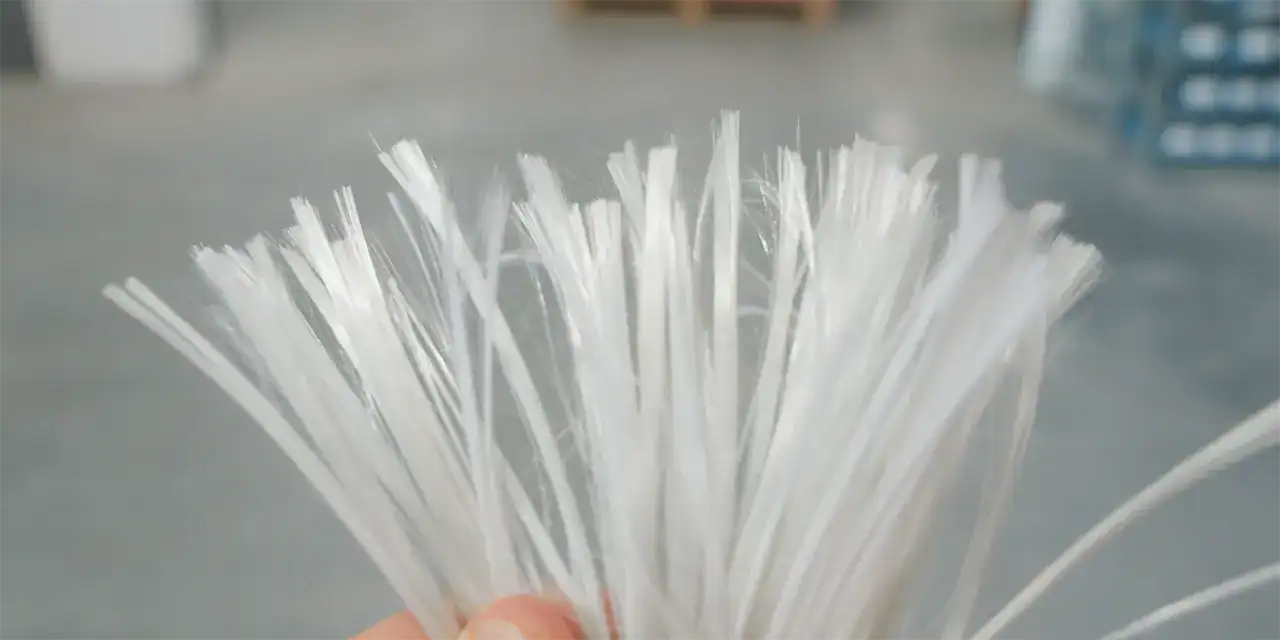
GRP and GFRP refer to glass-reinforced plastic or glass-fibre-reinforced polymer. The fibres contribute strength and stiffness. The resin binds the fibres, transfers forces and protects the reinforcement. FRP is a broader term that also covers other reinforcement fibres.
Fibre orientation, fibre content, resin and manufacturing method affect performance. There is therefore no single strength, chemical resistance or temperature limit that applies to every GRP product.
Properties in practical use
- Low weight: can reduce dead load and simplify transport, handling and installation.
- Corrosion resistance: GRP does not rust like steel, but chemicals, moisture, UV and temperature can affect the resin and fibres.
- Directional properties: fibre orientation and load direction need to be considered together, particularly for structural profiles.
- Electrical properties: suitable systems can provide insulation, but performance must be documented for the product and application.
Resin selection and fire requirements
Polyester, vinyl ester and phenolic systems can provide different properties. Selection must reflect actual exposure and available documentation. A resin name is not a guarantee of resistance to every chemical.
Glass fibres and the polymer behave differently in a fire. A GRP product is not automatically non-combustible or self-extinguishing. Flame spread, smoke and any load-bearing requirements during fire must be checked against relevant product test results.
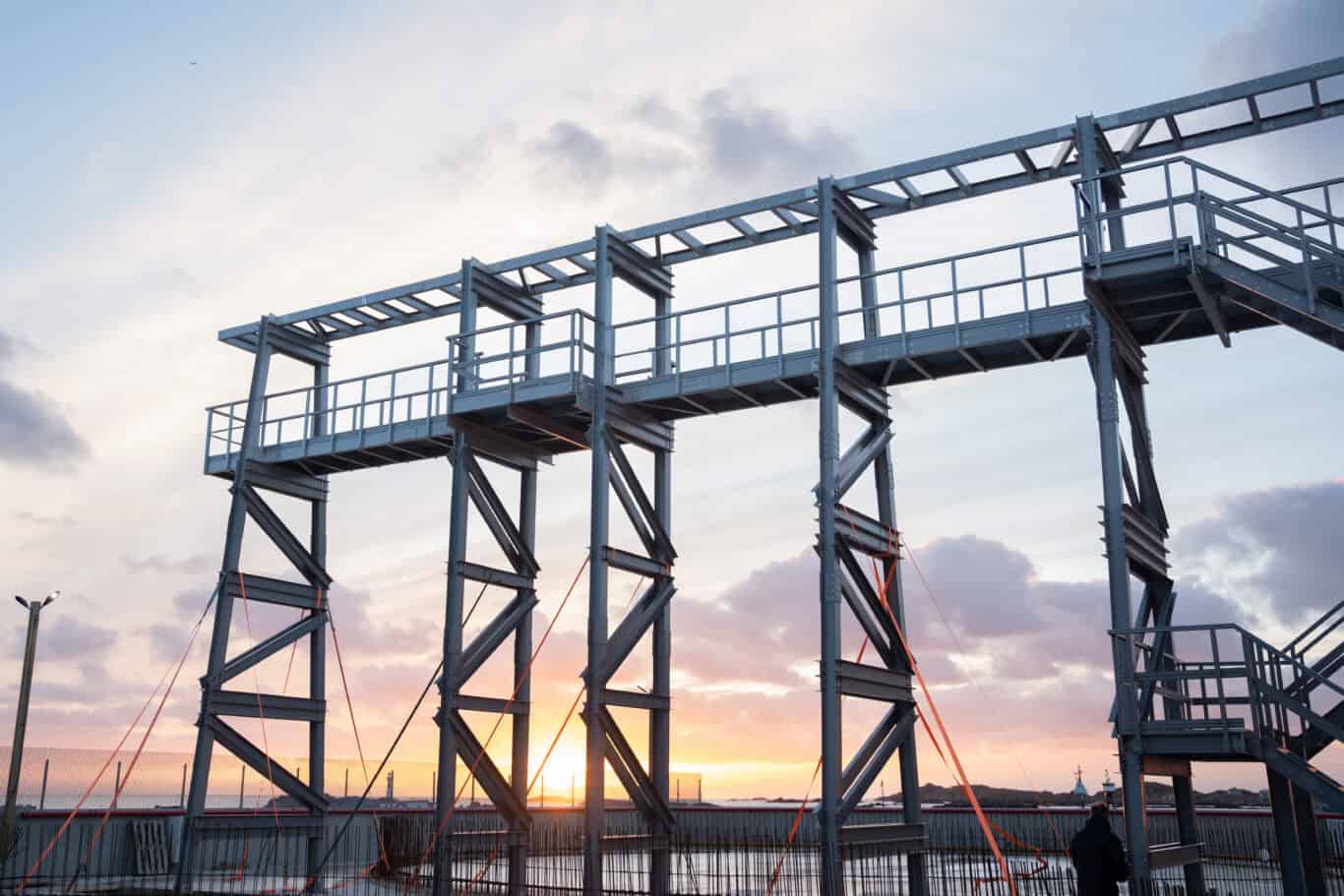

From material to installed system
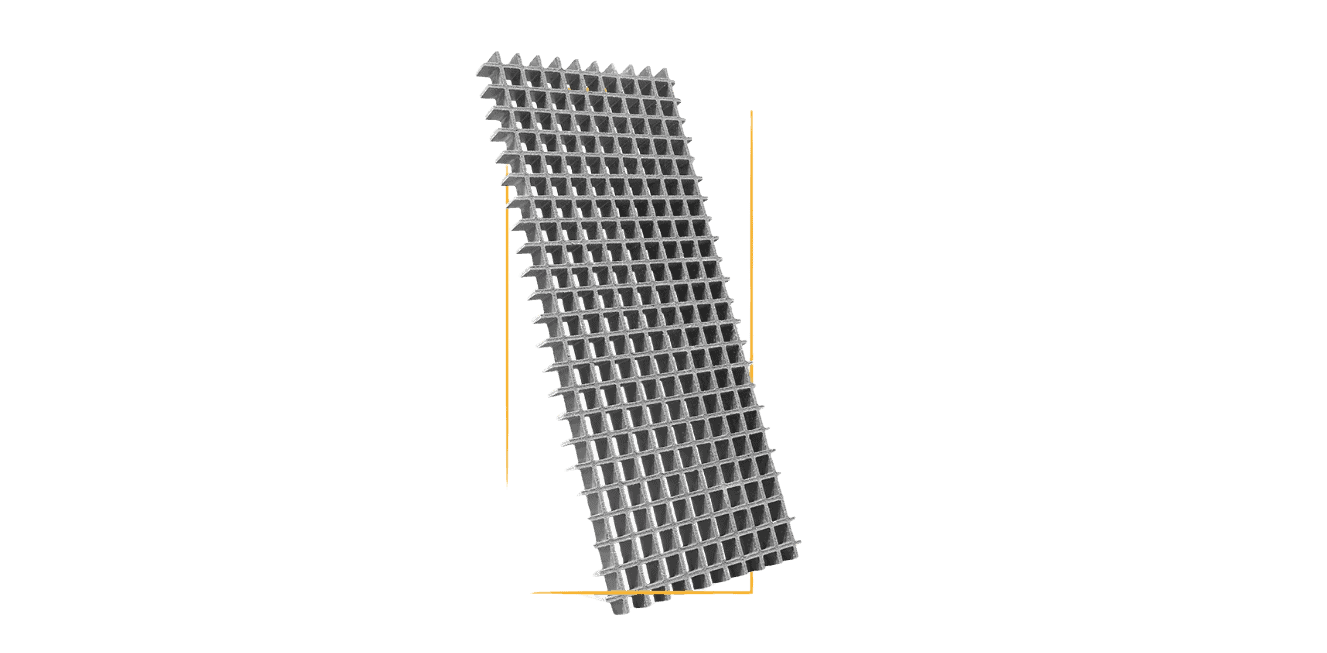
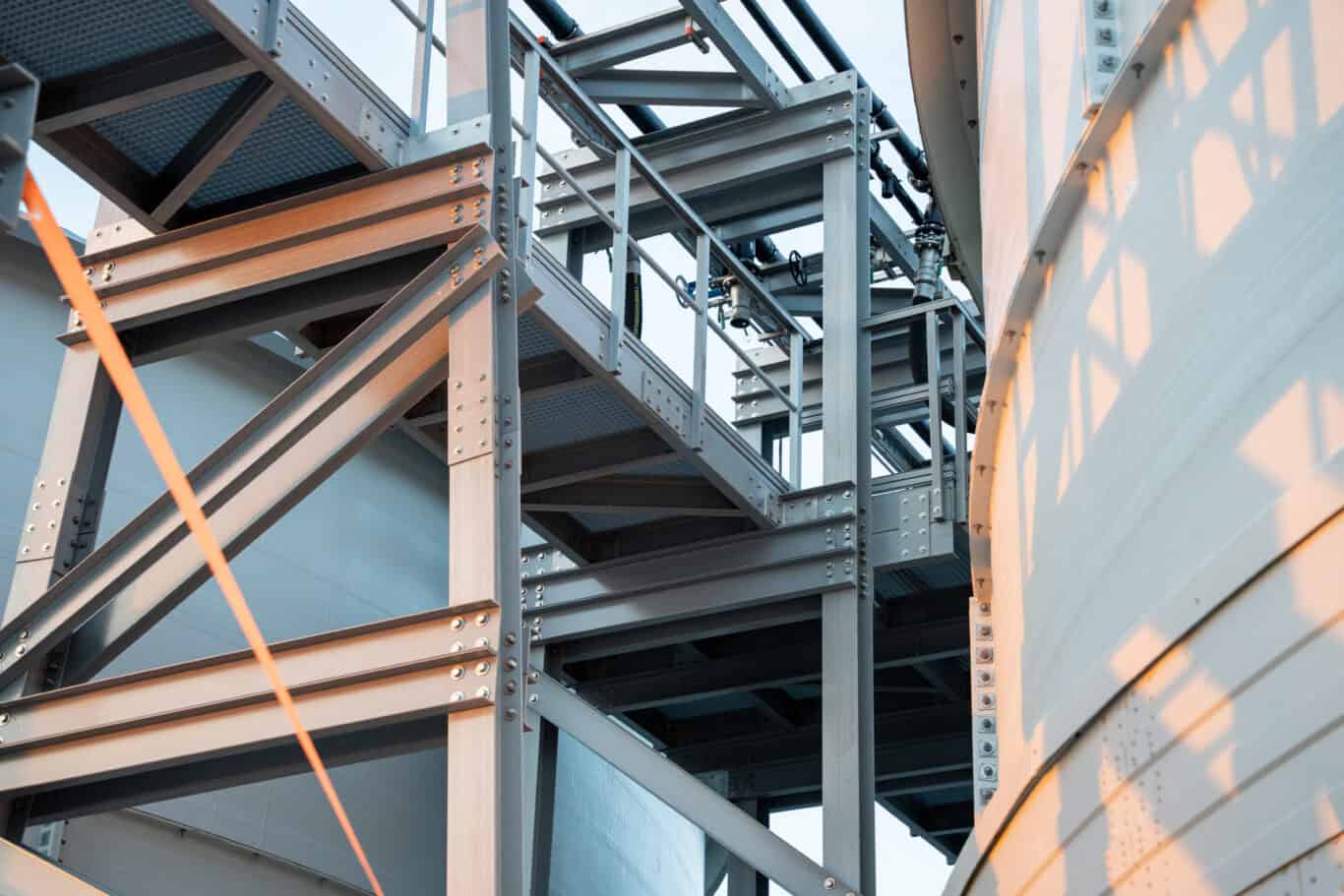
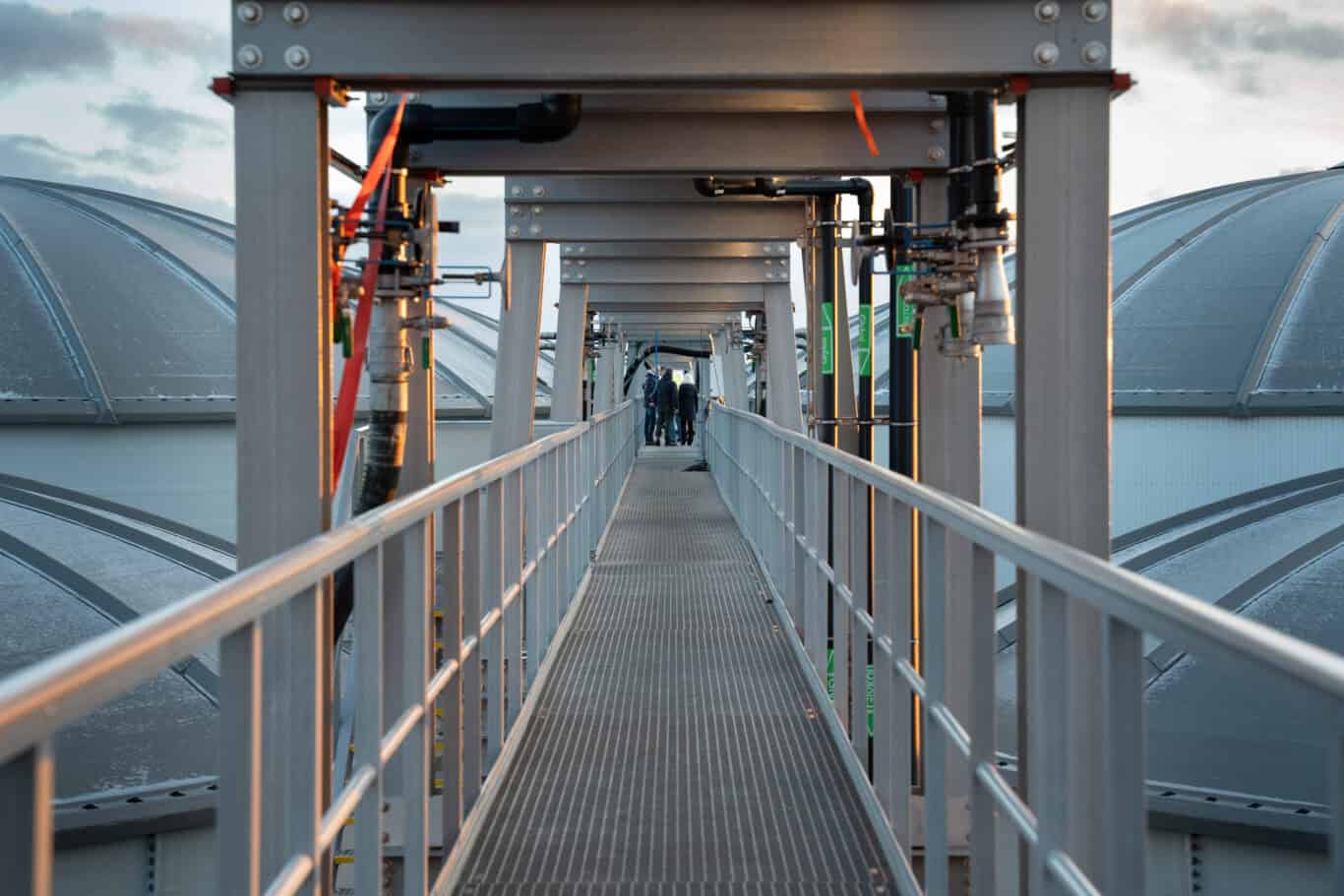
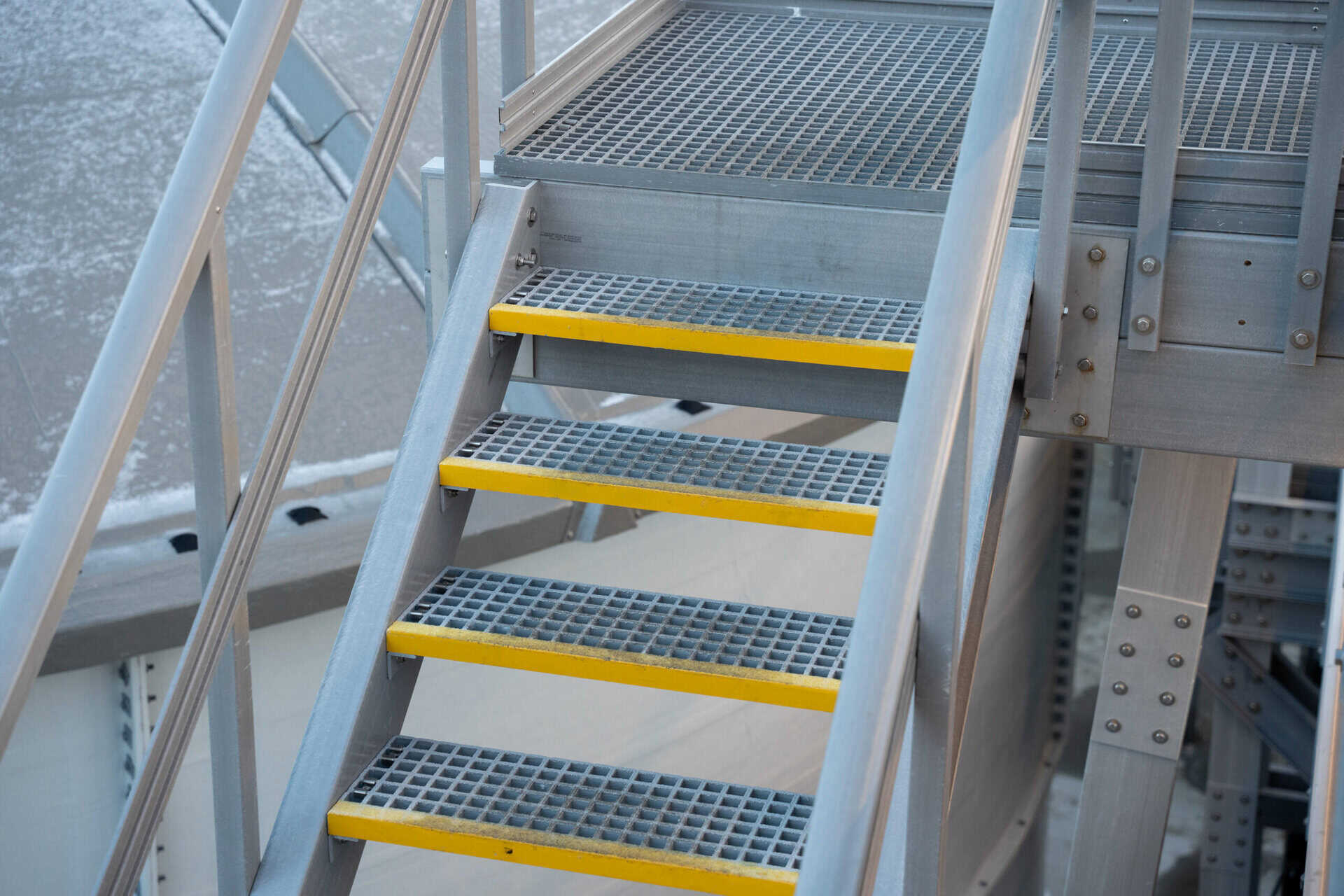
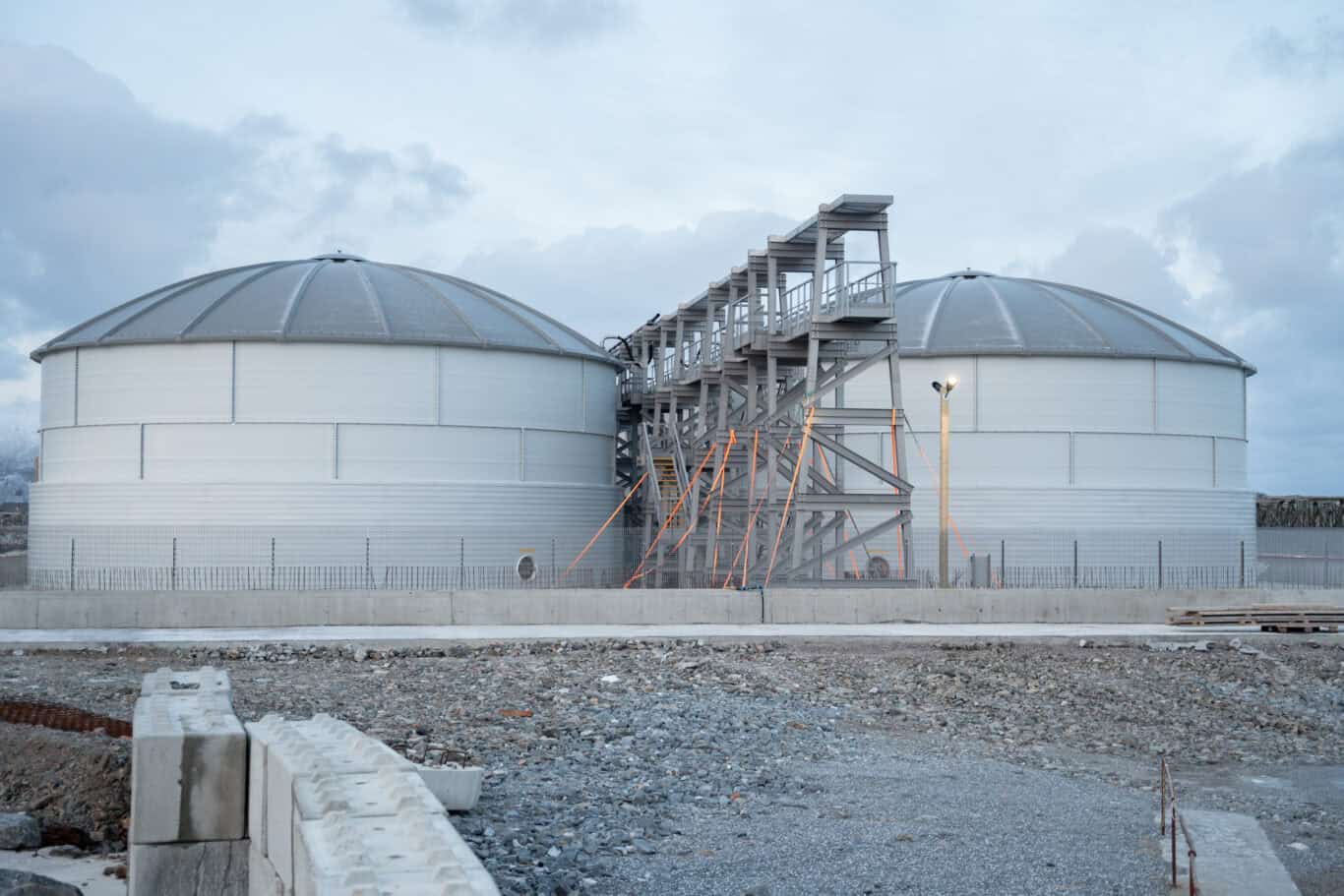
Applications include grating, structural profiles, walkways, platforms, handrails and piping. Glassfiber Produkter connects product selection with engineering, fabrication, delivery and installation. Our GRP construction systems illustrate how components can form complete solutions.

Service life and maintenance
Correct material selection can reduce corrosion-related maintenance. It does not remove the need to inspect surfaces, joints, fixings and loaded areas. Cleaning and repairs should follow the product documentation and operating conditions.
An environmental comparison must assess the specific solution over its life cycle, including raw materials, manufacture, transport, use and end-of-life handling. Low weight or a long expected service life alone does not establish a lower overall environmental impact.

When should GRP be considered?
Start with the function: spans and loads, exposure, temperature, fire requirements, surfaces and installation. Compare possible materials on the same basis. Explore our solutions for examples, or send the project requirements for an assessment.