
TECHNICAL ARTICLE
Glass-fibre-reinforced polymer (GFRP) bars can be an alternative to steel reinforcement in selected concrete structures. Corrosion resistance, low weight and electrical properties can be useful. However, GFRP behaves differently from steel and requires a suitable design basis.
What is GFRP reinforcement?
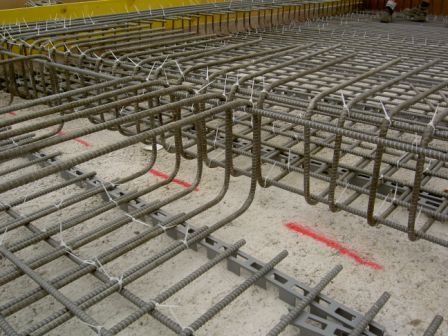
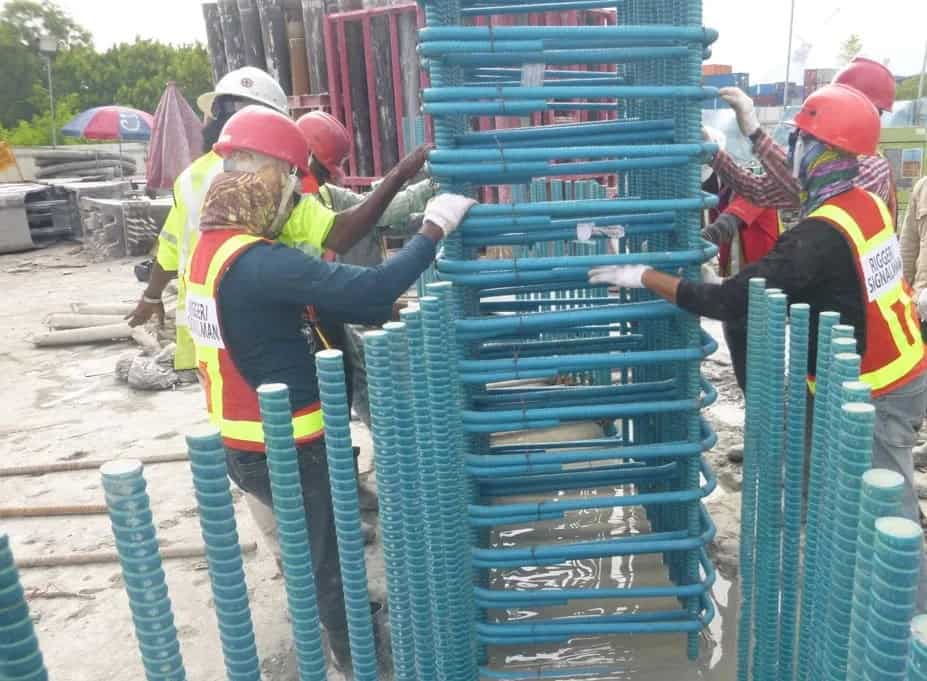
GFRP bars consist of glass fibres in a thermoset resin. The fibres provide tensile strength, while the resin binds and protects them. Bars are normally pultruded and have a surface designed to provide bond with concrete. The material composition, diameter and surface must be documented for the selected product.
Where may it be suitable?
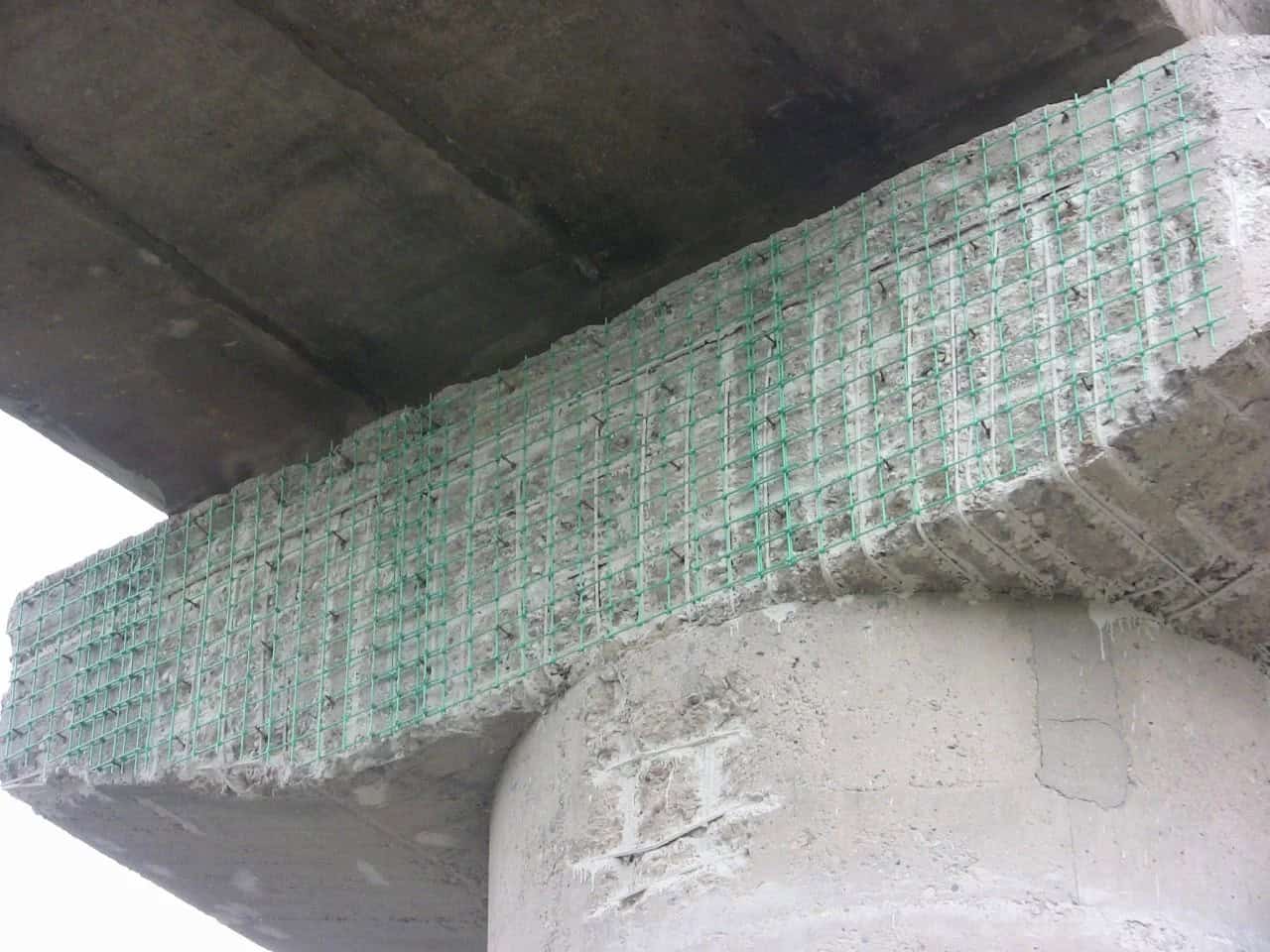
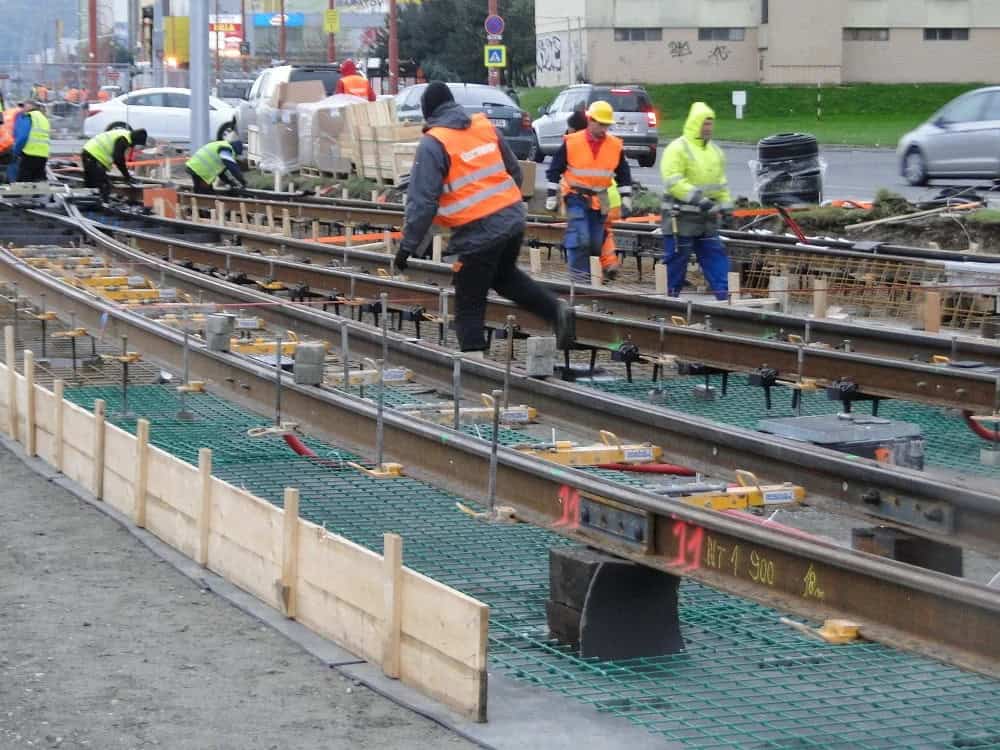
Potential applications include concrete exposed to chlorides and moisture, infrastructure, water-related structures and installations where electrical conductivity or magnetic properties matter. Temporary applications, such as drillable zones in tunnelling, have different requirements from permanent reinforcement.
It is not a bar-for-bar replacement for steel
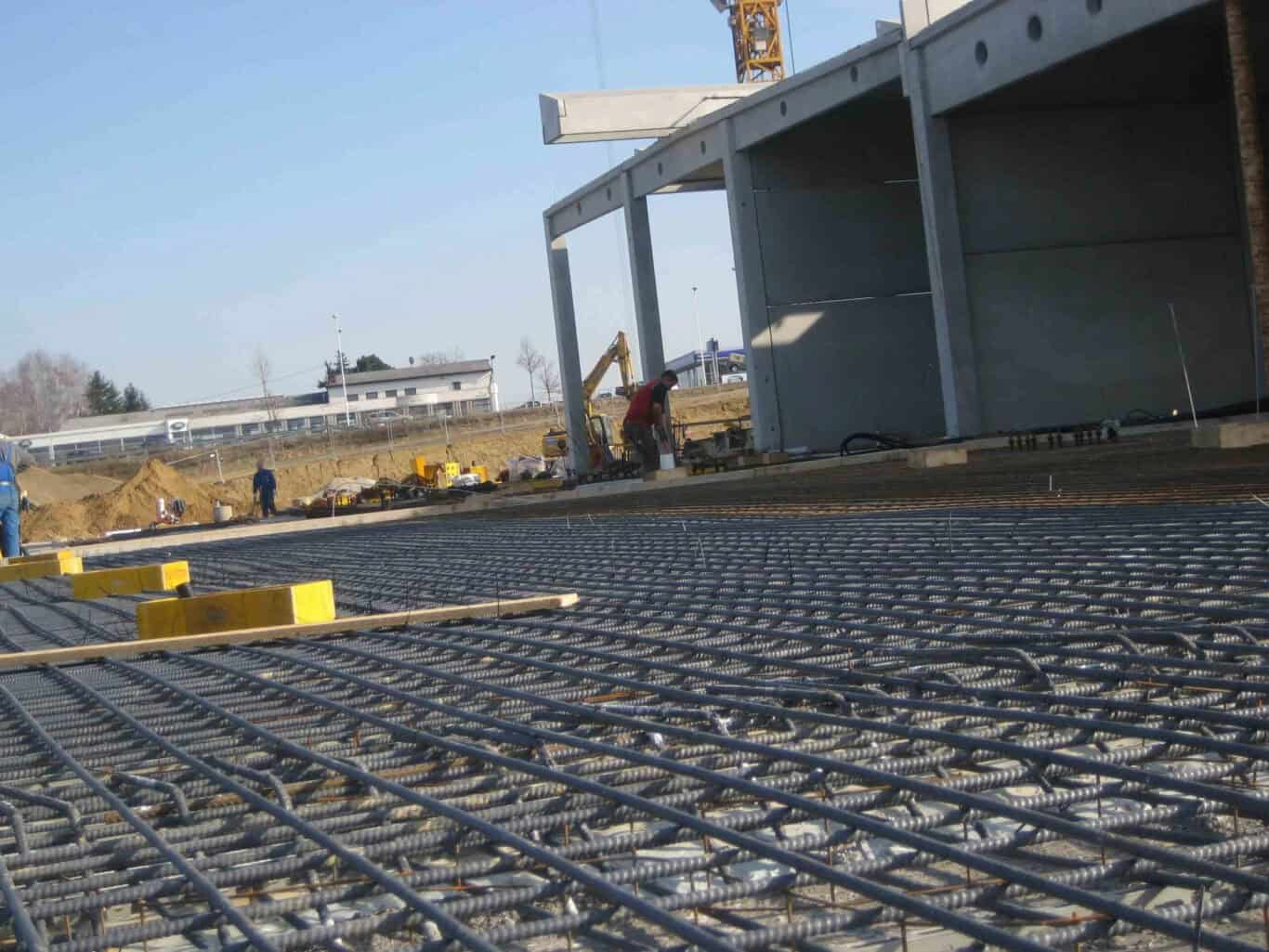
High tensile strength does not mean that the same reinforcement quantity can be used as for steel. GFRP typically has a lower elastic modulus and does not exhibit the yielding behaviour of steel before failure. Crack width, deflection and sustained loading can therefore govern the design.
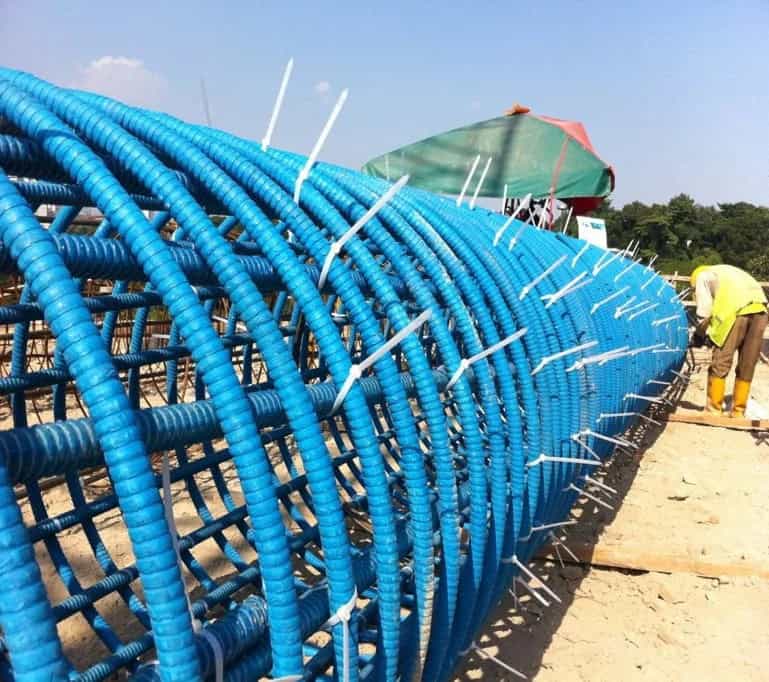
Anchorage, splices, bends, temperature and fire exposure also require consideration. Bent shapes should be agreed before ordering; any site processing must follow the supplier's instructions.
Documentation to establish
- Whether the product is documented for temporary or permanent use.
- Characteristic material properties, durability and bond with concrete.
- The project's design basis, applicable rules and any approval requirements.
- Reinforcement layout, anchorage, splices and shaped bars.
- Handling, storage and installation methods that avoid damage.
The responsible structural designer must assess the documentation for the specific structure. Generic tables or a single strength comparison are not a sufficient design basis.
Explore our GFRP reinforcement solution →
Discuss material selection early
Send the application, exposure conditions and drawings together with the designer's requirements. We can help identify product options and available documentation.